
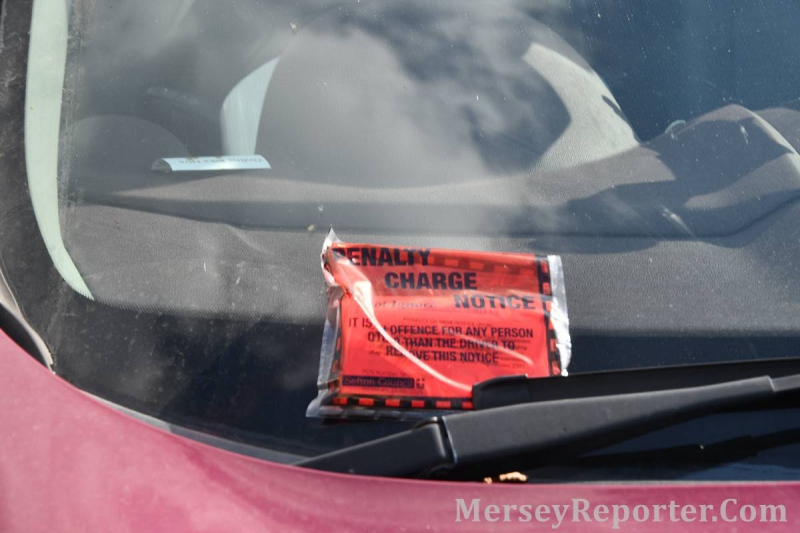
AS the temperatures soared over the Bank Holiday Monday, 25 August 2025, Formby, on the Merseyside Coastline, once again faced a familiar problem:- gridlocked roads, illegal parking, and environmental strain. The National Trust Formby site, renowned for its sweeping pinewoods and rare sand dune habitats, has become a seasonal flashpoint for overcrowding and disruption.
Since the COVID-19 lockdowns, the area has seen a dramatic rise in visitor numbers each summer.
Local residents understand why people want to go to the beach and are happy that people come, as long as they respect the area they are visiting.
Despite efforts by the National Trust and local authorities, the influx of vehicles regularly overwhelms infrastructure. As you can see, on the Bank Holiday Monday, National Trust staff, security, Traffic Wardens and Police Officers all struggled to manage the flow, with many roads descending into complete gridlock. Residents voiced frustration over dangerous and inconsiderate parking, which obstructed junctions, pavements, and driveways, creating hazardous conditions for pedestrians and drivers alike.
Since the COVID-19 lockdowns, the area has seen a dramatic rise in visitor numbers each summer.
Local residents understand why people want to go to the beach and are happy that people come, as long as they respect the area they are visiting.
Despite efforts by the National Trust and local authorities, the influx of vehicles regularly overwhelms infrastructure. As you can see, on the Bank Holiday Monday, National Trust staff, security, Traffic Wardens and Police Officers all struggled to manage the flow, with many roads descending into complete gridlock. Residents voiced frustration over dangerous and inconsiderate parking, which obstructed junctions, pavements, and driveways, creating hazardous conditions for pedestrians and drivers alike.
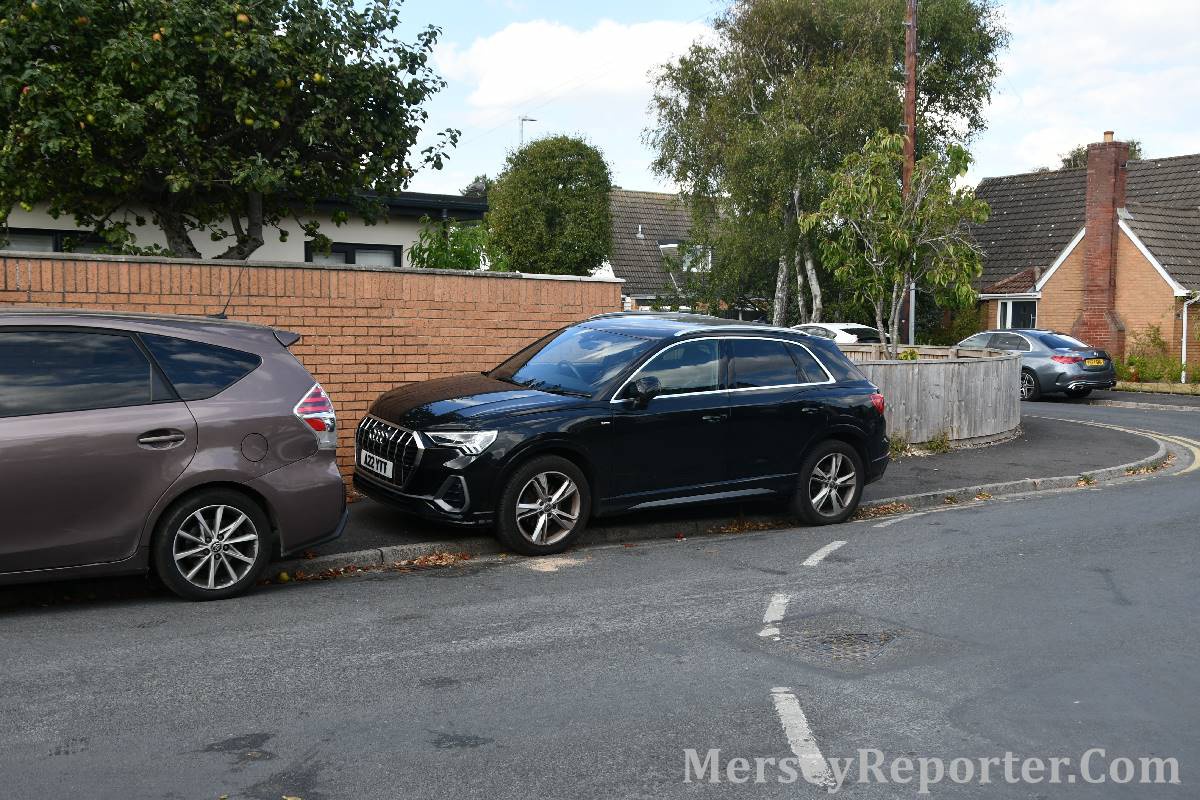

Shockingly, many drivers may not realise that such parking behaviour can constitute both civil and criminal offences. Worse still was the driving and behaviour of some of the motorists, as you will see in this footage...
Under Rule 243 of the Highway Code, motorists are advised not to park:-
- Opposite or within 10 metres of a junction.
- On a bend or brow of a hill.
- Where they obstruct access for emergency services.
- On pavements or dropped kerbs.
In addition, the Road Traffic Act 1988 outlines several offences related to dangerous or obstructive parking:-
- Section 22: Leaving a vehicle in a dangerous position.
- Section 19A: Parking on verges, central reservations, or footways.
- Section 137 of the Highways Act 1980: Wilful obstruction of the highway.
It is worth adding that if a vehicle blocks emergency services or causes an accident, the owner may face:- fines, vehicle removal, or even prosecution. In extreme cases, where obstruction leads to injury or death, drivers could be held criminally liable.

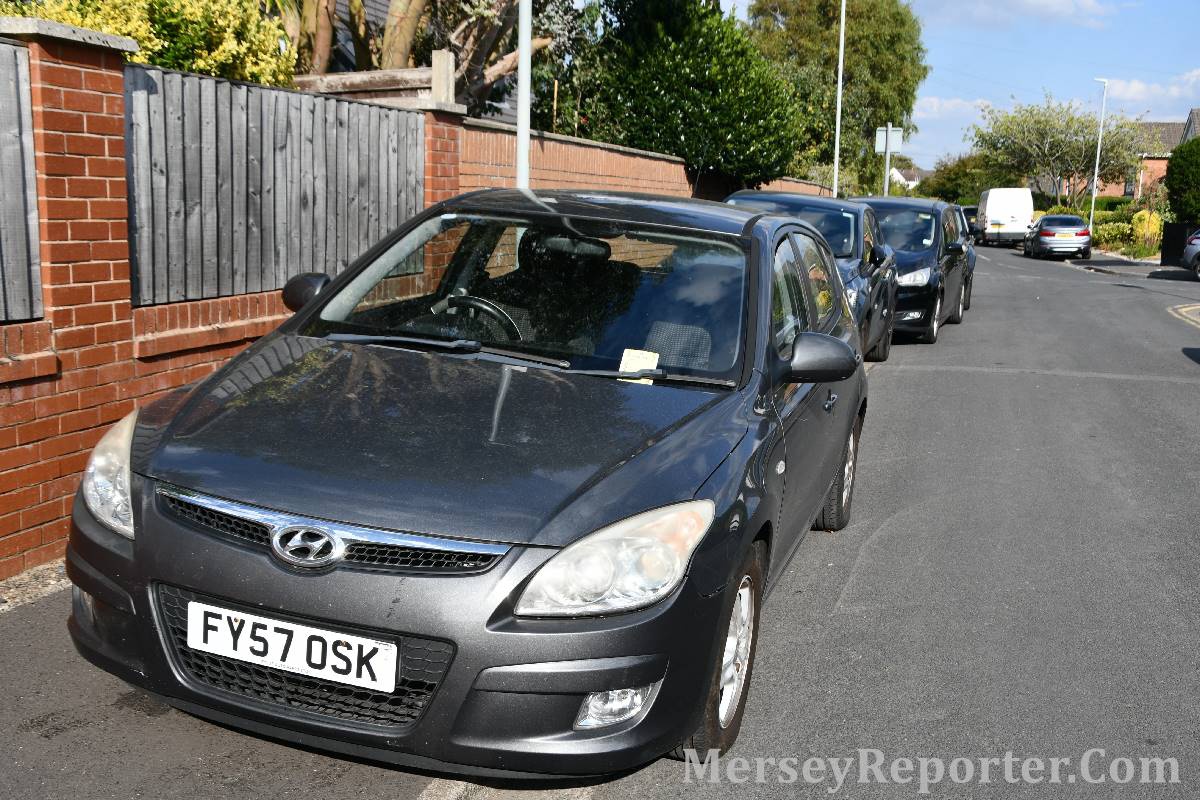
These are some of the laws that are enforced by local authorities and Police Forces throughout England and Wales:-
- Highway Code Rule 243 advises against parking in dangerous or obstructive locations, such as near junctions, on bends, or where emergency access is blocked. For more information:- HighwayCode.Org.UK.
- Road Traffic Act 1988 covers offences like leaving a vehicle in a dangerous position (Section 22) and obstruction of the highway. For more information, please see:- Legislation.Gov.UK.
- Highways Act 1980 – Section 137 makes it an offence to wilfully obstruct the free passage along a highway. For more information, please visit:- Legislation.Gov.UK.
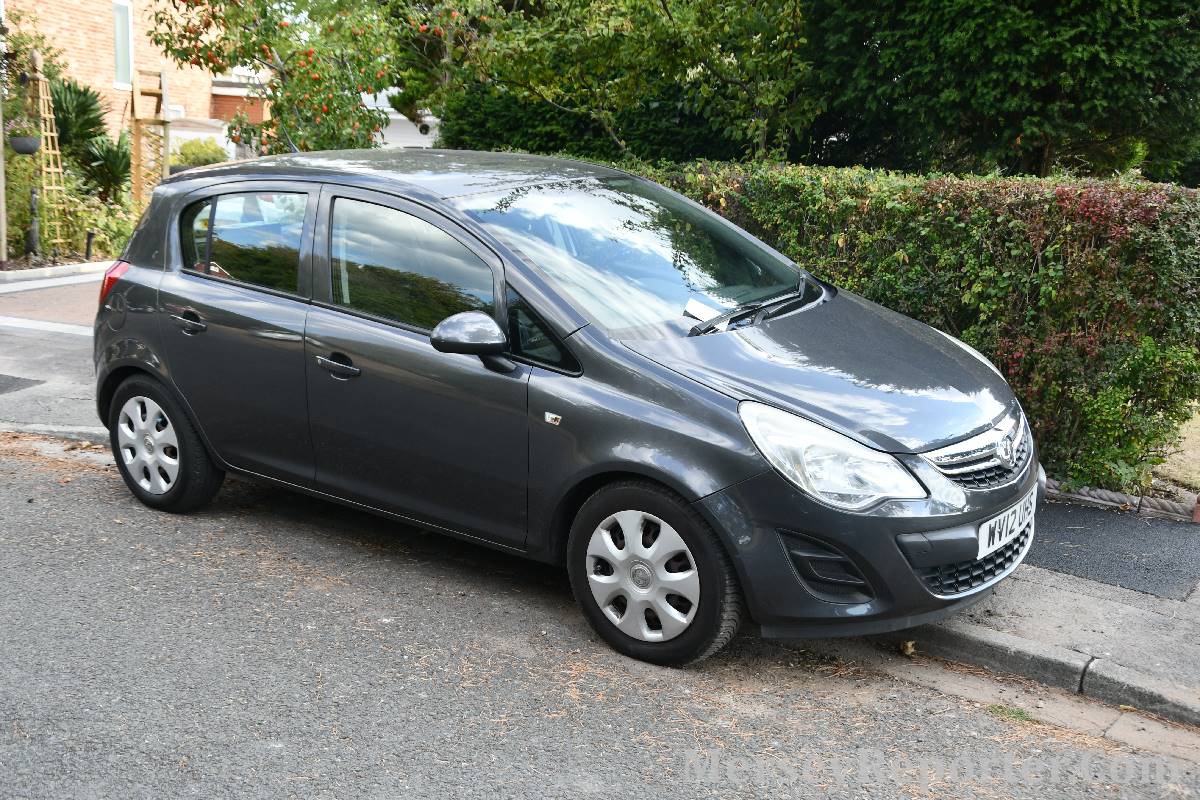

Scotland and Northern Ireland have similar, but separate legal frameworks, so it’s always worth checking local guidance if you're travelling further afield.